
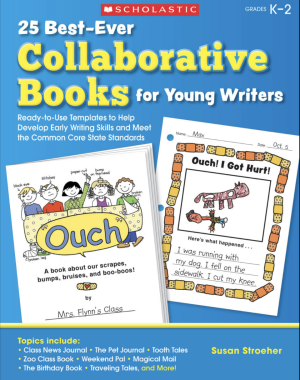


25 Best-Ever Collaborative Books For Young WritersSusan Stroeher Introduction ……………………………………………………………………………………………… 4 Common Core State Standards …………………………………………………………………….. 8 Parent/Family Letter ……………………………………………………………………………………. 9 Writing Strategies ……………………………………………………………………………………… 10 Illustrated Rubric ………………………………………………………………………………………… 11 Take-Home Class Journals …………………………………………………………….. 12Weekend Pal ………………………………………………………………………………. 15 Tooth Tales ……………………………………………………………………………….. 18 The “Ouch” Book ………………………………………………………………………. 21 The Birthday Book ……………………………………………………………………… 24 The New Shoes ……………………………………………………………………….. 27 The “New Do” …………………………………………………………………………… 30 Traveling Tales ………………………………………………………………………….. 33 Class Reporter ………………………………………………………………………….. 36 The Question Journal ………………………………………………………………….. 39 The Pet Journal ………………………………………………………………………….. 42 Measurement Math Journal ………………………………………………………….. 45 Number Cubes Math Journal ………………………………………………………. 48 Individual Shape Books ……………………………………………………………….. 51The Barn Book ………………………………………………………………………….. 52 The “Ch” Book ………………………………………………………………………….. 55 The “Sh” Book ………………………………………………………………………….. 59 The Bug-Expert Book …………………………………………………………………. 62 The Deep-Sea Submarine Book …………………………………………………… 65 The Suitcase Book ……………………………………………………………………. 68 My Dream Lunch Book ……………………………………………………………….. 72 Collaborative Class Books …………………………………………………………… 76The Zoo Book ……………………………………………………………………………. 77 “Please Pass the Sugar, Mr. President” …………………………………………… 80 “Pizza, Please!” …………………………………………………………………………… 84 Bed Bugs ………………………………………………………………………………….. 87 Magical Mail ………………………………………………………………………………. 91 Class Comics ……………………………………………………………………………… 94 |
Empowering Young Authors: A Review of the Ultimate Primary Writing Resource
Introduction: Transforming the Blank Page Into a World of Discovery
For young learners, the transition from spoken language to written expression is one of the most significant milestones in their educational journey. However, the blank page can often be an intimidating place. This book serves as a creative spark, specifically designed to turn writing into a high-engagement, joyful activity.
By blending academic rigor with imaginative play, this guide ensures that every student—regardless of their starting level—feels the pride of becoming a published author.
What Kind of Book Is This?
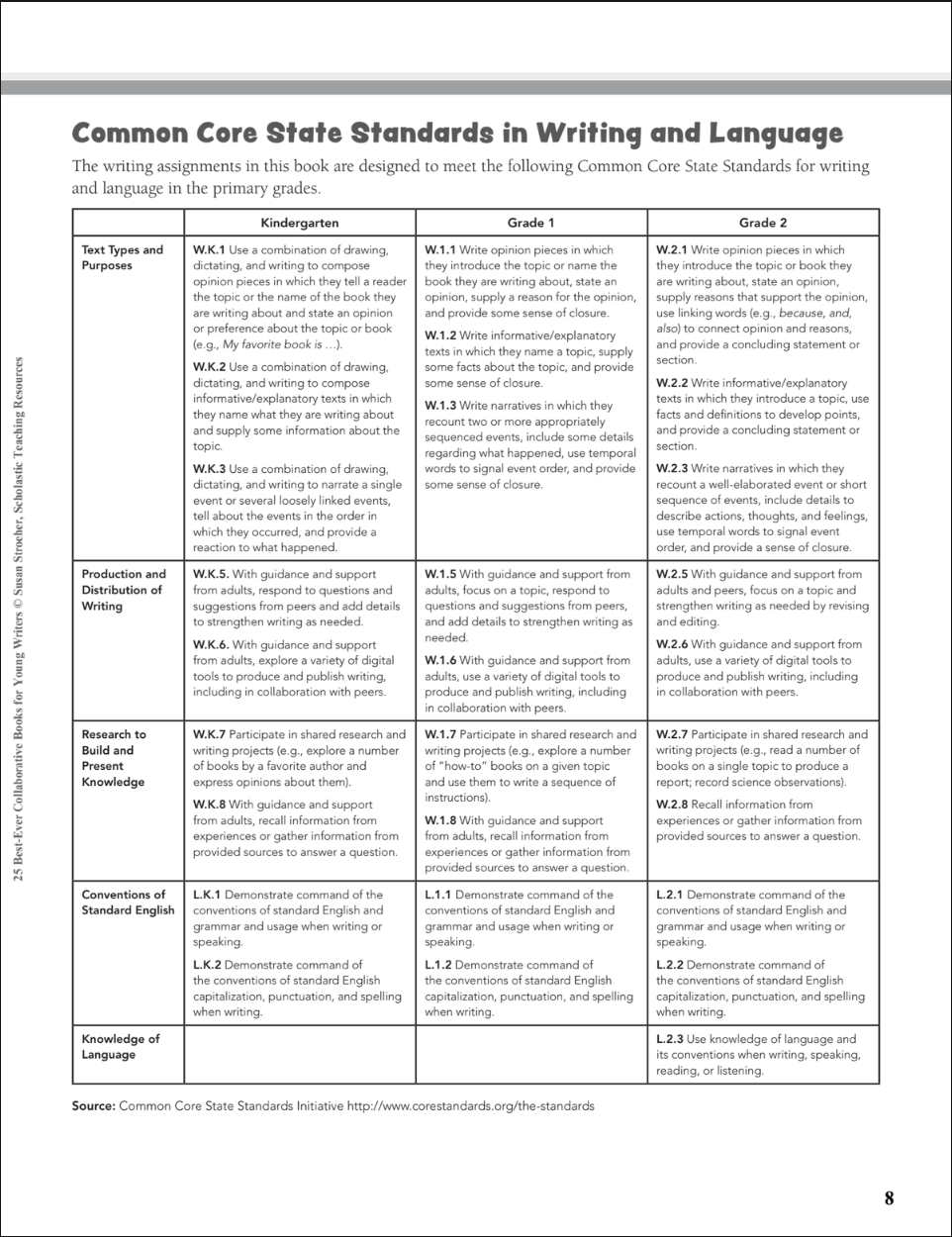
This is a Comprehensive Elementary Writing Teacher’s Resource Manual. It is a practical, project-based curriculum aligned with the Common Core State Standards. Rather than focusing on dry grammar drills, this book provides a robust framework for authentic writing experiences. It is divided into three strategic modules:
- Take-Home Class Journals: Bridging the gap between school and family life.
- Individual Shape Books: Utilizing tactile and visual learning to build descriptive skills.
- Collaborative Class Books: Fostering a sense of community and shared authorship.
Who Is the Ideal Reader?
- Primary Grade Educators (Pre-K to 3rd Grade): Teachers looking for innovative, easy-to-implement writing projects that meet strict educational benchmarks.
- Homeschooling Parents: Those seeking a structured yet creative way to build a writing portfolio for their children.
- Literacy Specialists: Professionals looking to revitalize writing workshops with high-interest, child-centered activities.
Detailed Editorial Review: Why This Book is a Classroom Essential
1. A Brilliant Connection Between Home and School
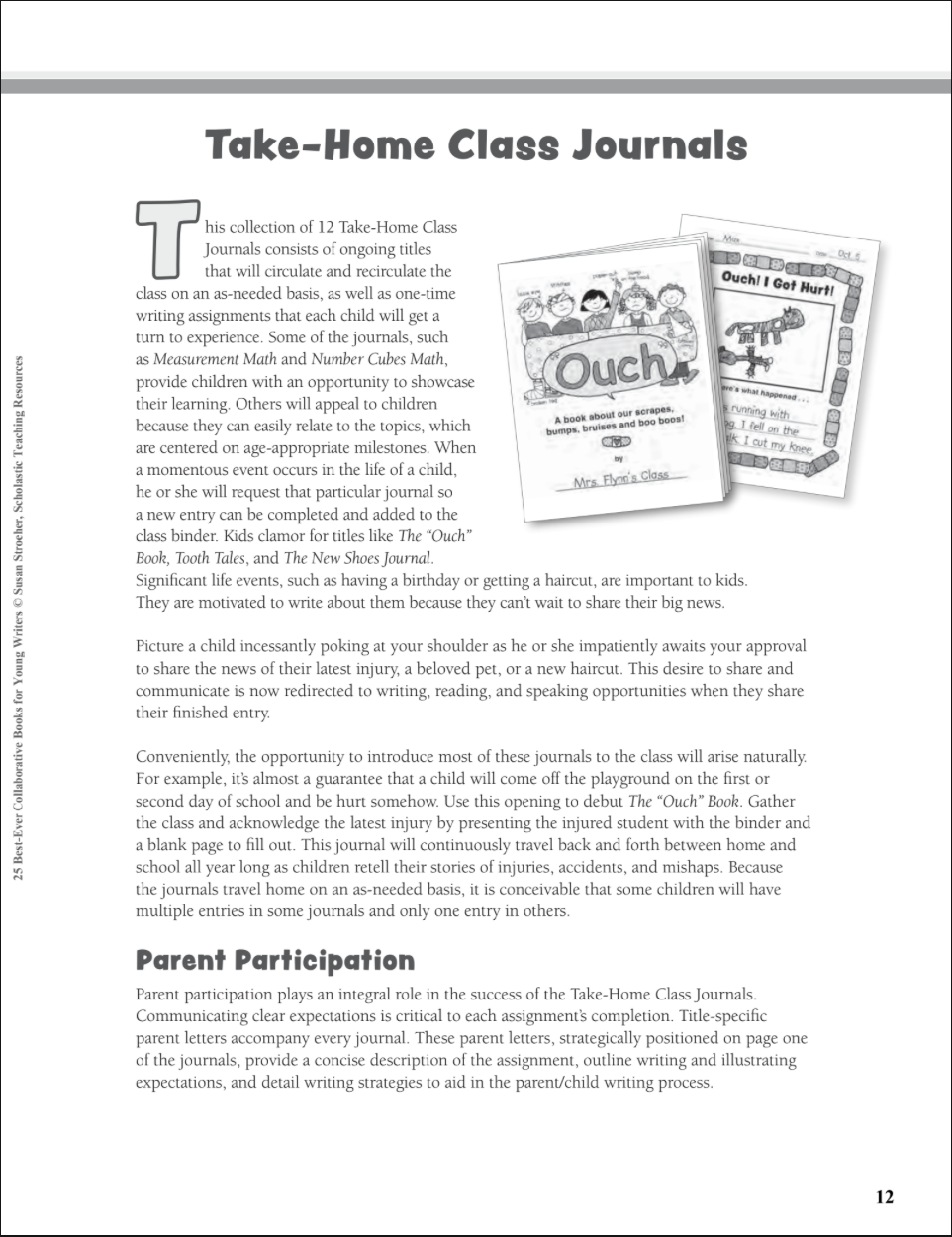
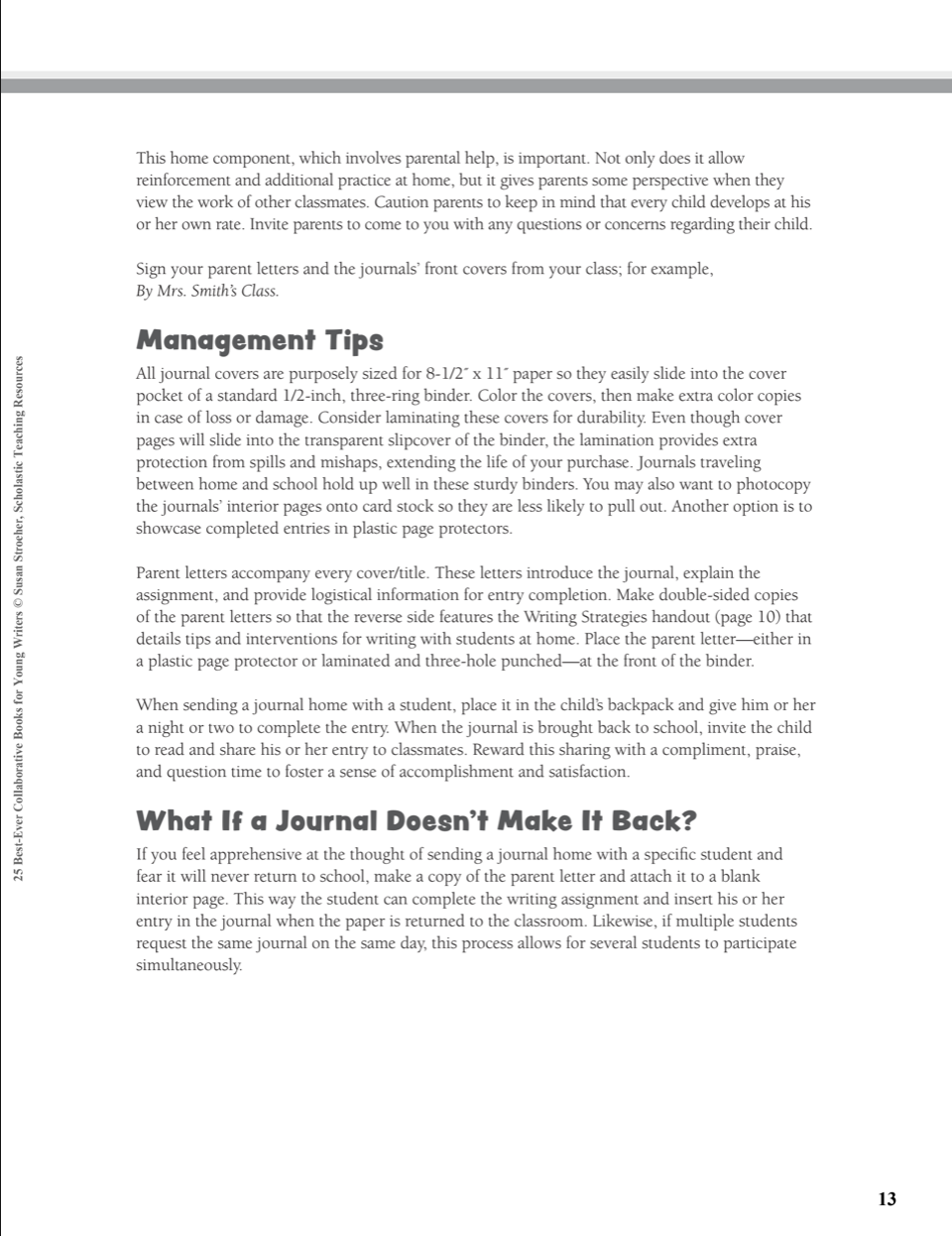
The standout feature of this manual is the “Take-Home Class Journals” section. Projects like “The Pet Journal” or “Traveling Tales” allow students to document their real lives and share them with their peers. This strategy not only builds narrative skills but also creates a deep sense of belonging and community.
The included “Parent/Family Letter” ensures that caregivers are empowered to support their child’s literacy journey at home.
2. Tactile Engagement Through “Shape Books”
Young children are kinesthetic learners. The section on Individual Shape Books (Unit 51) is a masterclass in engaging reluctant writers. By writing inside a “Barn Book” or a “Deep-Sea Submarine Book,” students are given a visual and physical context for their stories. This significantly reduces the anxiety of the “blank white page” and encourages descriptive, thematic writing.
3. The Power of Collaborative Authorship
Few things inspire a child more than seeing their work published in a “real” book. The Collaborative Class Books module (Unit 76) teaches children that their individual voice contributes to a larger collective effort. Whether creating “Class Comics” or a group book on “The Zoo,” students learn the value of revision, cooperation, and the sheer joy of shared success.
4. Ready-to-Use Teacher Support Tools
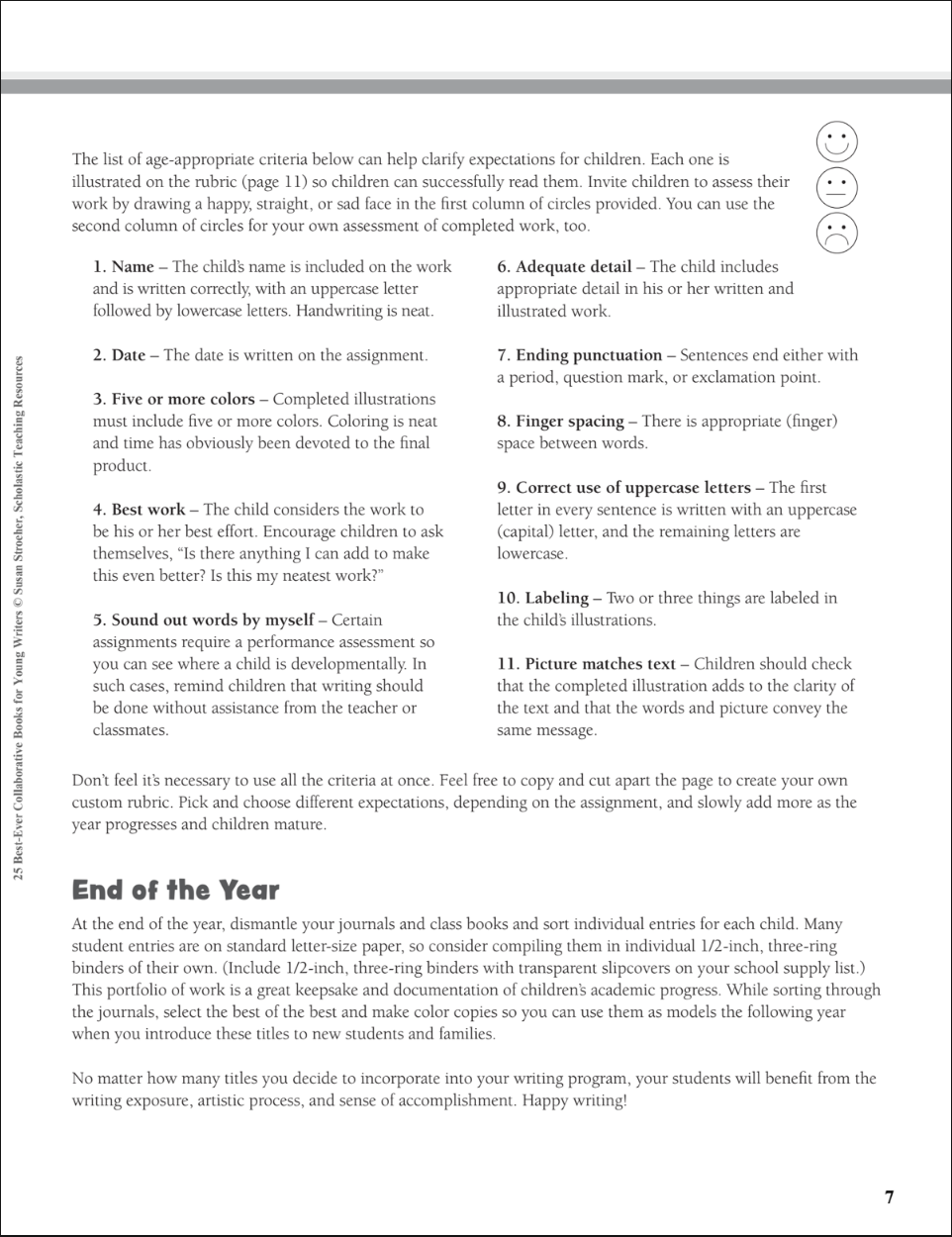
This guide respects a teacher’s busy schedule. It includes an Illustrated Rubric for clear and fair assessment, concrete Writing Strategiesto scaffold struggling learners, and clear alignment with national standards. It takes the guesswork out of lesson planning, allowing educators to focus on what matters most: inspiring their students.
The Final Verdict: Why You Must Read It
You should read this book because it treats writing as an experience rather than a chore. It provides the scaffolds needed for beginners and the creative freedom required for advanced students to thrive. By the time your class completes the “Class Comics” or “The Question Journal,” they won’t just be better writers—they will be passionate storytellers.
Final Conclusion: Thoughtfully structured, standards-aligned, and deeply imaginative, this is the gold standard for primary writing instruction. It transforms the classroom into a vibrant publishing house. An indispensable investment for any educator dedicated to fostering the next generation of authors.