





Fun English For KidsFiona L.Copper Introduction ……………………. 3Why teach English to young children? .. 4Advice for teaching English ……….. 5Curriculum Development ……………. 7Classroom Management ……………… 11Curriculum for 5-year-olds ………… 12Units …………………………… 13My Body …………………….. 13Animals …………………….. 14School ……………………… 15The Weather …………………. 16Transport …………………… 17The House …………………… 18The Family ………………….. 19Food ……………………….. 20Clothes …………………….. 21Example lesson plans ……………… 22Games …………………………… 28Songs …………………………… 30The First Lesson …………………. 36Bibliography …………………….. 38 |
The Early Years Educator: A Comprehensive Review of the Essential Guide for Teaching English to Young Children
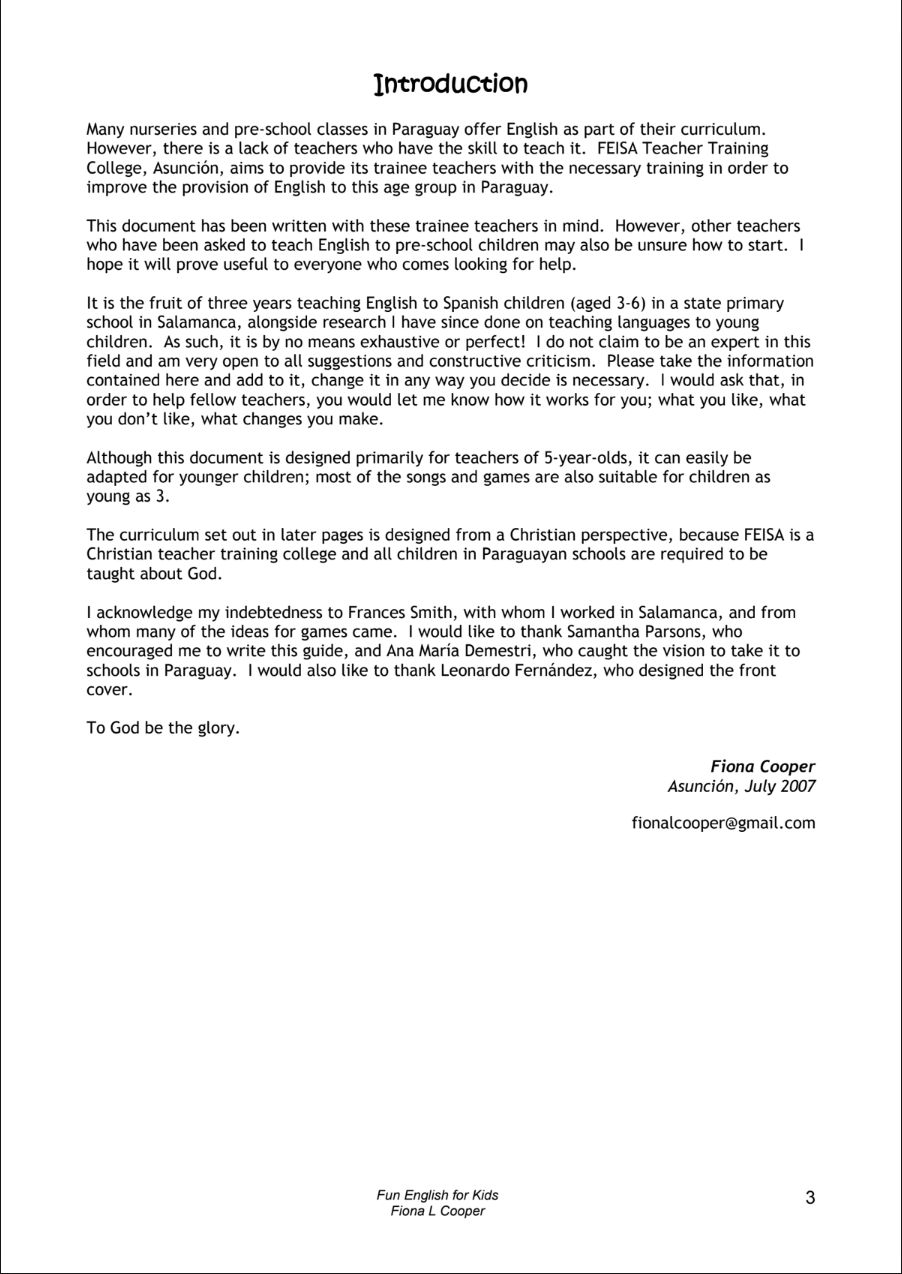
Introduction: Engineering Success in Early Language Acquisition
In the formative stages of childhood, the brain is a physiological “sponge,” uniquely primed for the acquisition of second languages. “The Early Years Educator” is a masterfully designed pedagogical roadmap specifically engineered to guide teachers through this critical developmental window.
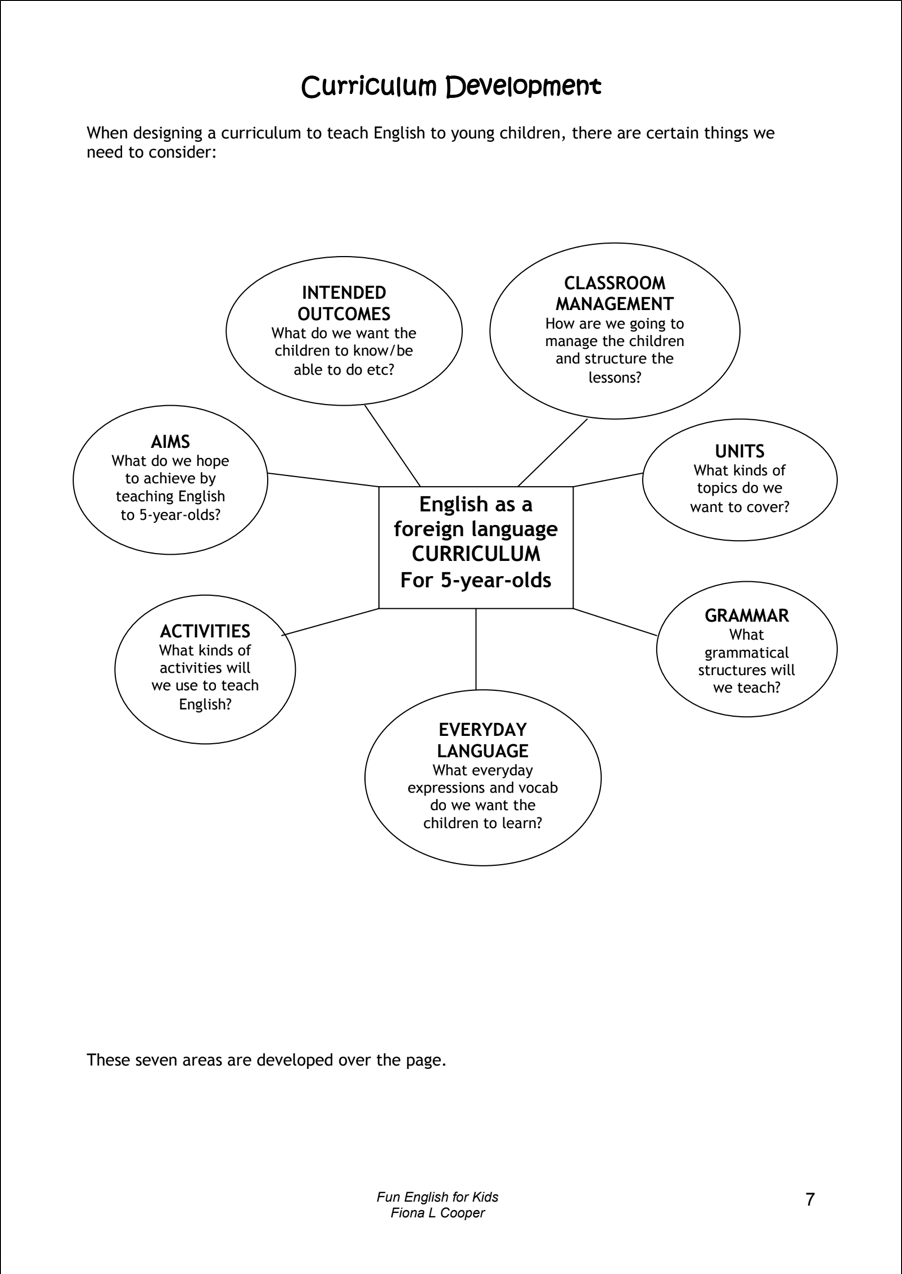
This manual moves beyond simple vocabulary lists, providing a sophisticated framework for curriculum development and classroom management. From the initial psychological inquiry of “Why teach English to young children?” to the practical execution of a “First Lesson,” this guide transforms the early childhood classroom into a series of masterable, high-interest milestones.
What Kind of Book Is This?
This is a Comprehensive Teacher’s Manual and Curriculum Framework for early childhood English education (specifically targeting 5-year-olds). It functions as a multidisciplinary reference guide that bridges the gap between educational theory and classroom reality.
The book follows a logical architecture—moving from foundational pedagogy and management strategies to a detailed 9-unit thematic curriculum—ensuring that educators build a cohesive learning environment that fosters both fluency and a love for the language.
Who Is the Ideal Reader?
- Early Childhood Educators: Professionals looking for a “plug-and-play” curriculum specifically tailored to the developmental needs of 5-year-olds.
- ESL/EFL Program Coordinators: Those seeking an authoritative, evidence-based framework for curriculum development and standardized classroom management.
- International School Teachers: Individuals who need a diverse toolkit of thematic lessons, games, and songs to keep multicultural classrooms engaged.
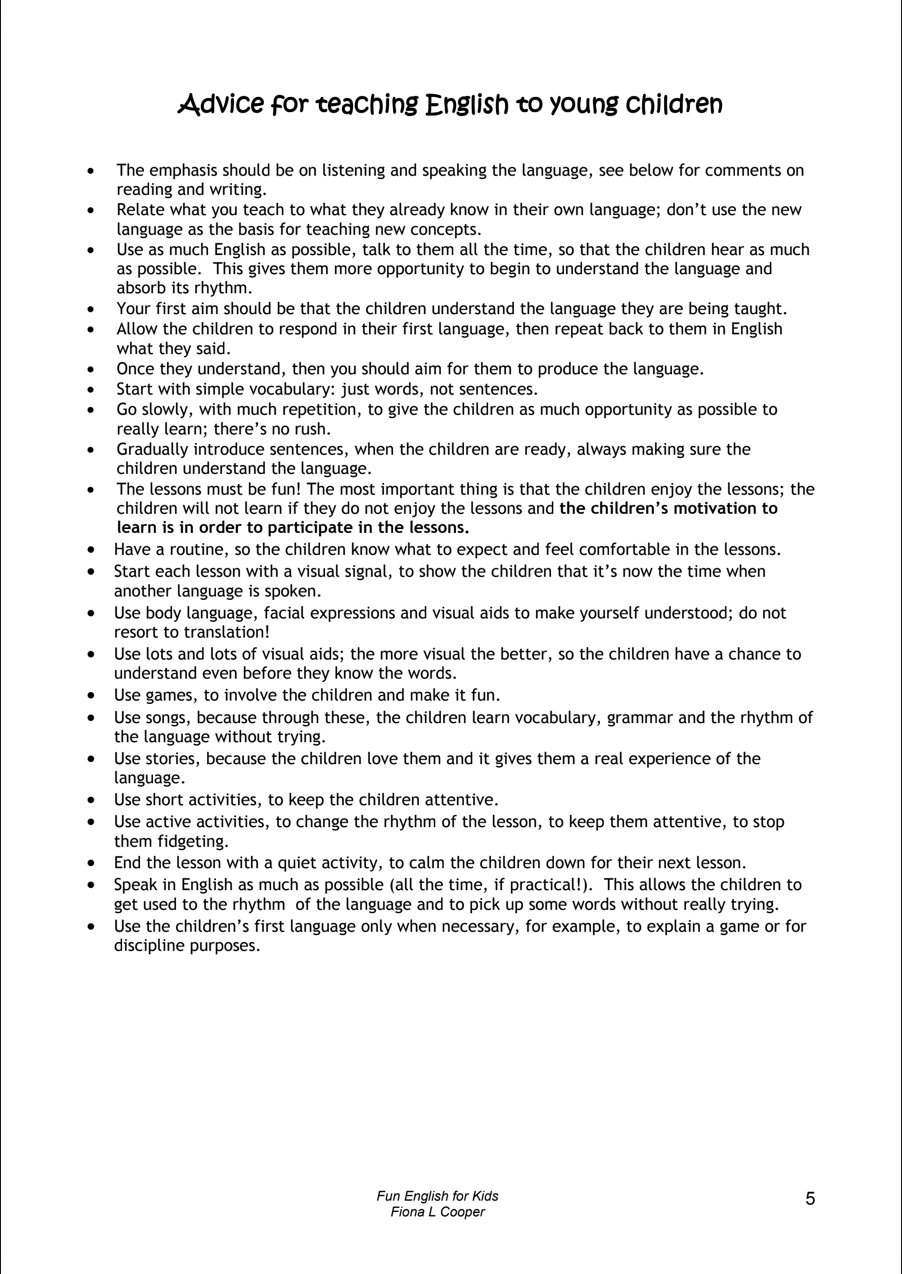
- Homeschooling Parents: Those looking for professional-grade “Advice for teaching English” and structured lesson plans to give their children a competitive linguistic head start.
Detailed Editorial Review: Why This Manual Is a Game-Changer
1. Robust Pedagogical Foundation
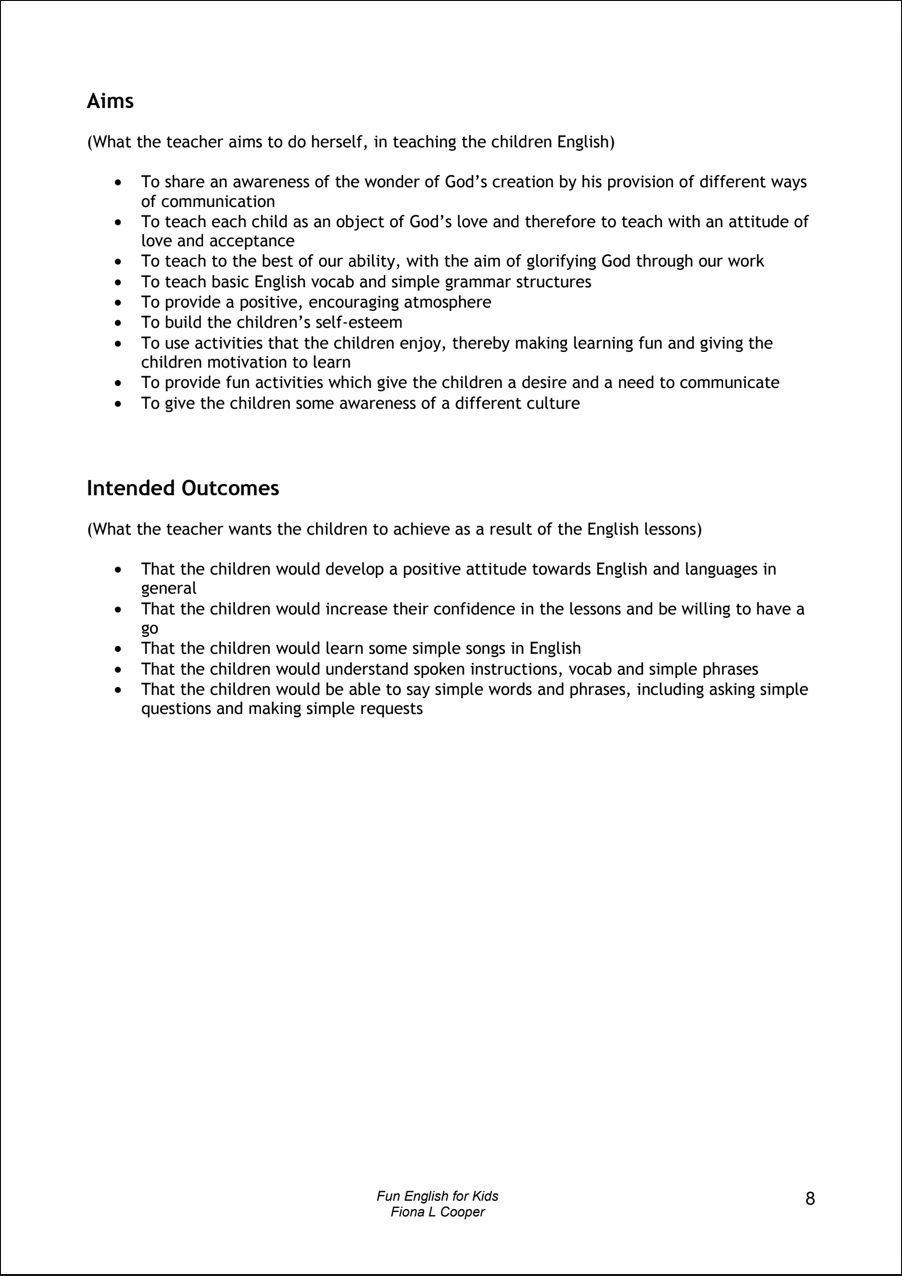
The standout feature of this manual is its focus on “The Why”. By dedicating specific sections to the benefits of early language learning and curriculum development (Pages 4-7), the book provides educators with the professional-grade scrutiny needed to justify and implement effective programs. It ensures that instruction is not just activity-based, but grounded in scientifically proven educational principles.
2. Strategic Classroom Management
Unlike generic teaching guides, this book provides a definitive solution to the “chaos” of early childhood settings. The “Classroom Management” pillar (Page 11) is a brilliant, practical touch that equips teachers with the “X-ray vision” needed to maintain a productive environment. It acknowledges that for 5-year-olds, the social and emotional climate is the precursor to academic success.
3. Thematic Unit Architecture
The curriculum excels in its Thematic Logical Sequence. By organizing learning around universal concepts like “My Body,” “The Family,” and “Transport,” the manual ensures that vocabulary is learned within a meaningful context. This holistic progression allows students to immediately connect English words to their real-world environment, significantly improving long-term retention and functional communication.
4. Interactive Engagement: Games, Songs, and Lessons
The inclusion of dedicated sections for “Games,” “Songs,” and “Example lesson plans” (Pages 22-30) is an invaluable pedagogical asset. It acknowledges that for young learners, play is work. This multidisciplinary approach ensures that the “The First Lesson” (Page 36) is not a daunting challenge, but an inviting entry into a new world of discovery.
The Final Verdict: Why You Must Read It
You should implement this manual because structure is the foundation of early success. For a young learner, the English language is a journey of discovery; this guide ensures that every step of that journey is meaningful, measurable, and joyful. It celebrates the potential of every child while maintaining a high standard of academic excellence.
Final Conclusion: Rigorous, logically organized, and profoundly practical, this is the gold standard for early elementary English instruction. It celebrates the joy of discovery while providing a professional-grade toolkit for the modern educator. If you are serious about building a literate, curious, and confident student body, “The Early Years Educator” is an indispensable investment.