
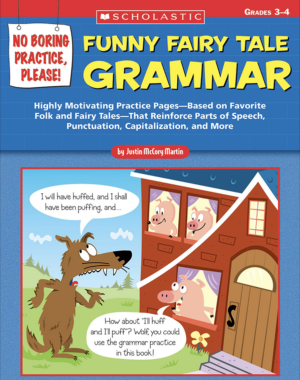

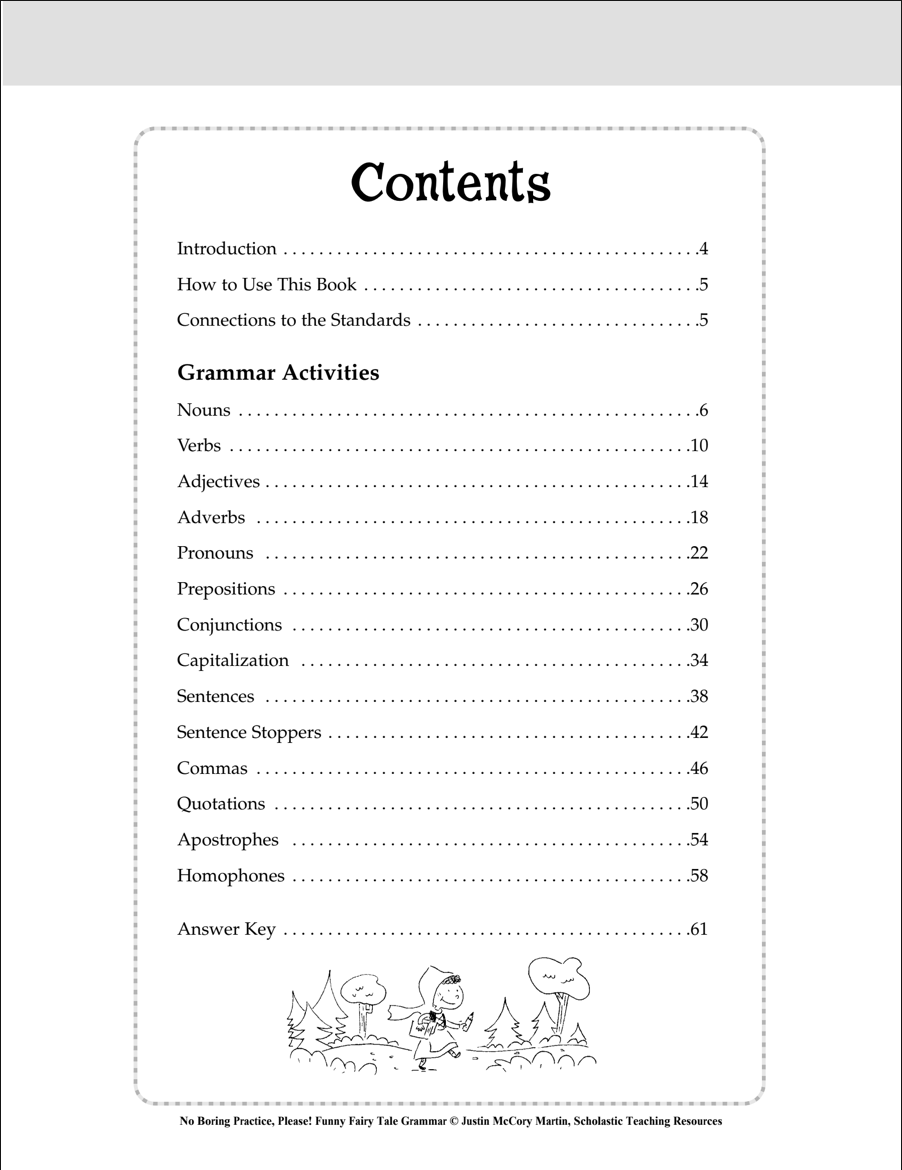
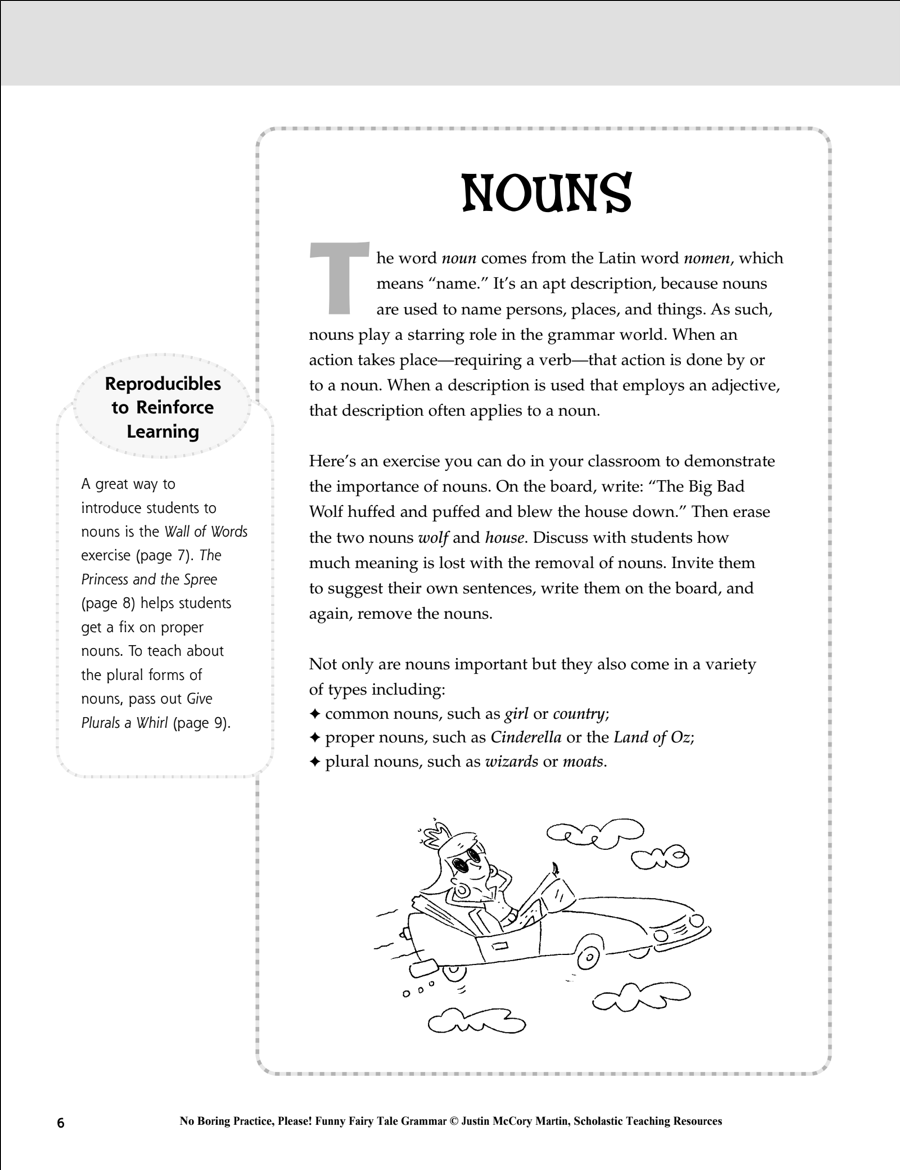
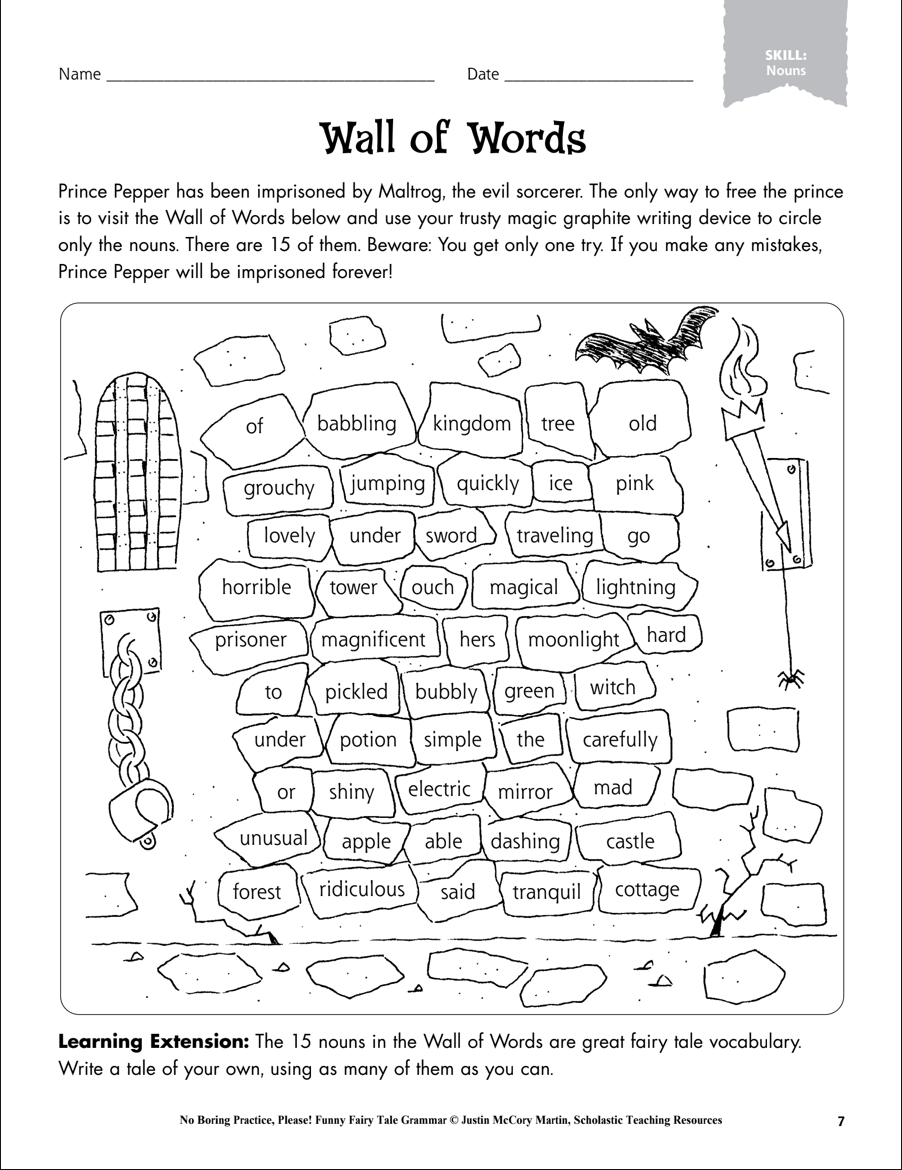
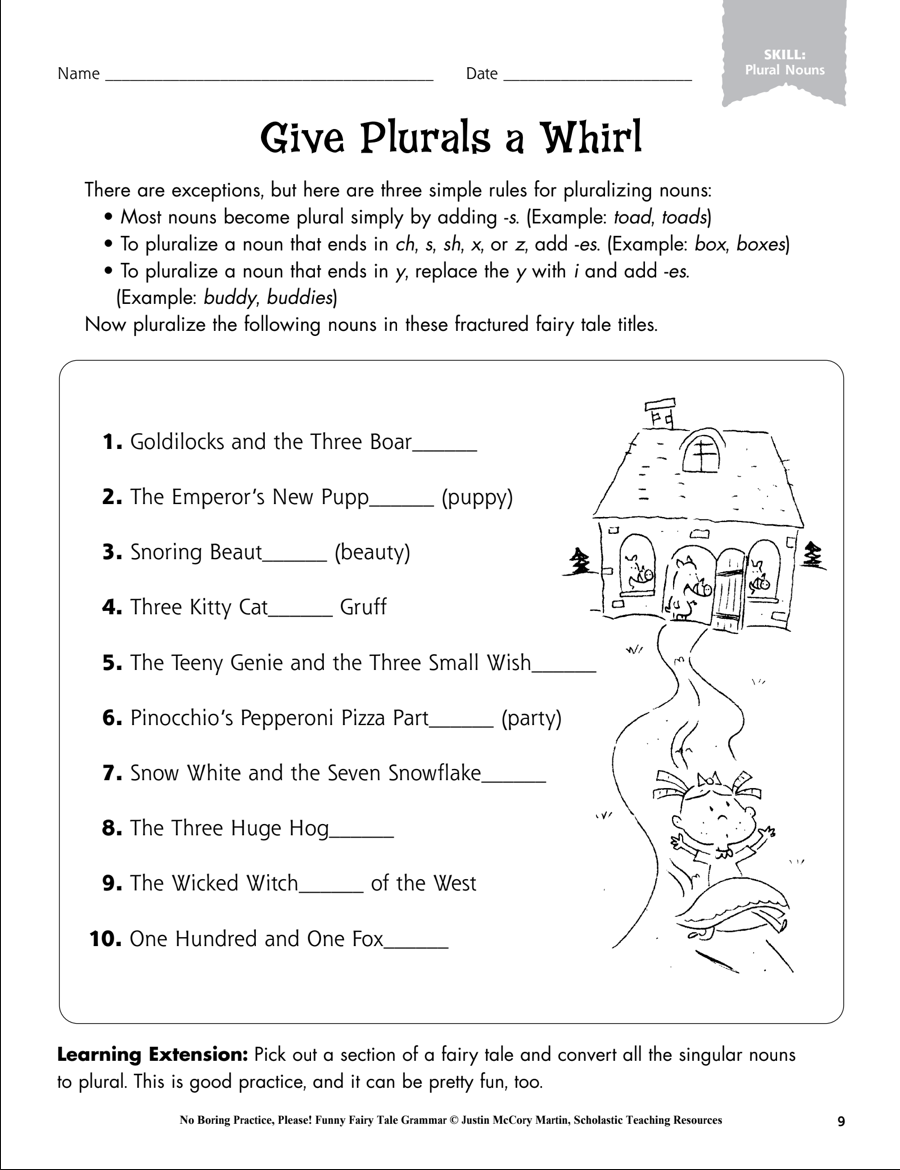
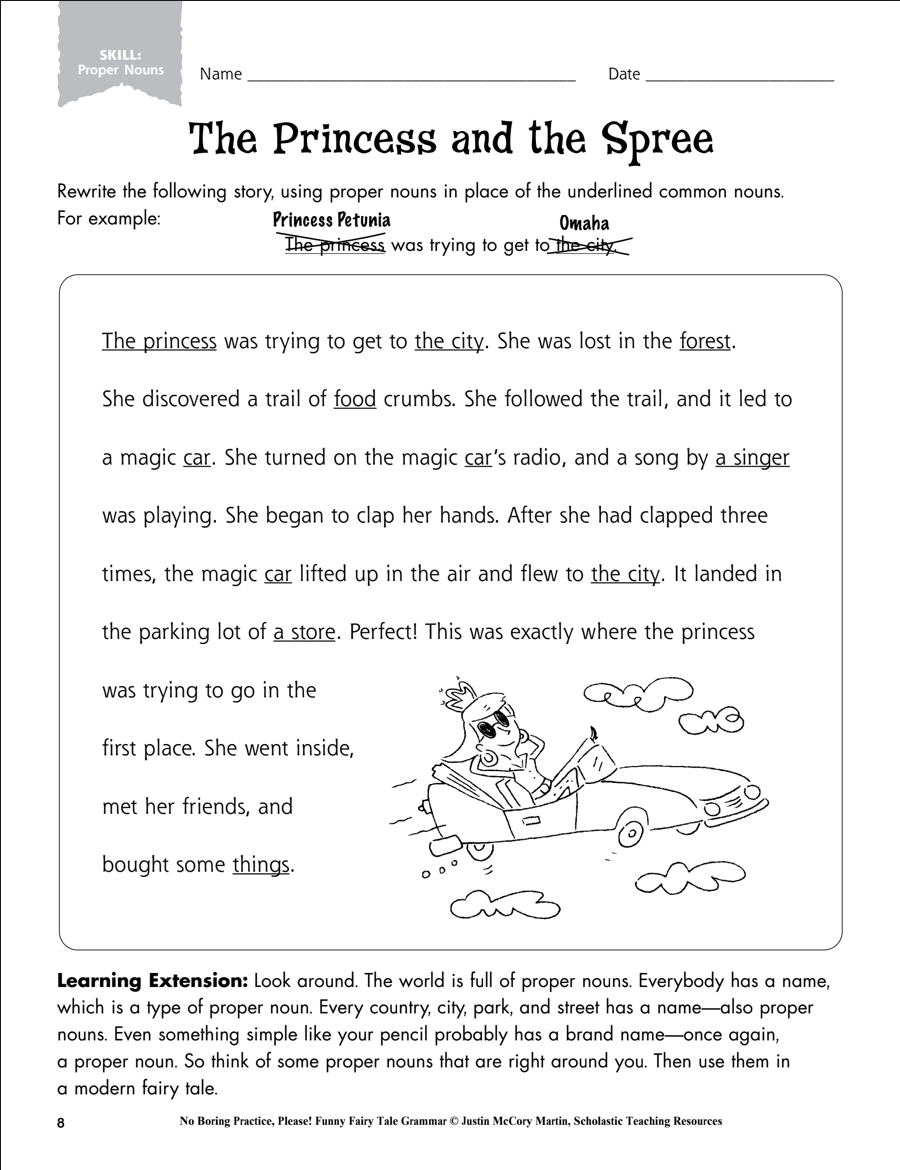
No Boring Practice Please Funny Fairy Tale GrammarJustin McCory Martin Introduction ……………………….. 4How to Use This Book ………………… 5Connections to the Standards …………. 5Grammar ActivitiesNouns ……………………………… 6Verbs ……………………………… 10Adjectives …………………………. 14Adverbs ……………………………. 18Pronouns …………………………… 22Prepositions ……………………….. 26Conjunctions ……………………….. 30Capitalization ……………………… 34Sentences ………………………….. 38Sentence Stoppers …………………… 42Commas …………………………….. 46Quotations …………………………. 50Apostrophes ………………………… 54Homophones …………………………. 58Answer Key …………………………. 61 |
The Grammar Toolkit: A Comprehensive Review of the Essential Writing Mechanics Guide
Introduction: Engineering the Foundation of Clear Writing
In the modern classroom, the ability to construct a coherent and grammatically correct sentence is the bedrock of academic success. “The Grammar Toolkit” is a masterfully designed pedagogical roadmap specifically engineered to help students navigate the complexities of English mechanics with ease.
This guide moves beyond rote memorization, transforming the study of grammar into a series of masterable, high-interest milestones. By deconstructing the “DNA” of a sentence—from the function of a noun to the subtle placement of an apostrophe—this book provides the tools necessary to turn every student into a confident, polished writer.
What Kind of Book Is This?
This is a Standards-Aligned Grammar Activity Manual designed for early elementary to middle school education. It functions as a comprehensive reference and practice guide that bridges the gap between basic speech and formal written communication.
The book follows a logical, modular architecture where each lesson targets a specific “part of speech” or mechanical rule, ensuring that students build a cohesive understanding of how the English language is assembled.
Who Is the Ideal Reader?
- Elementary and Middle School Educators: Teachers looking for a “plug-and-play” curriculum that aligns with national standards and provides clear, classroom-ready activities.
- English Language Learners (ESL): Students who need a structured, evidence-based framework to master the nuances of American English grammar and punctuation.
- Homeschooling Parents: Those seeking an authoritative guide that covers the essentials of writing mechanics without overwhelming the learner.
- Literacy Tutors: Professionals who need a diverse toolkit of activities to help students address specific “pain points” like homophones or comma usage.
Detailed Editorial Review: Why This Book Is a Game-Changer
1. Holistic Scaffolding of Language Mechanics
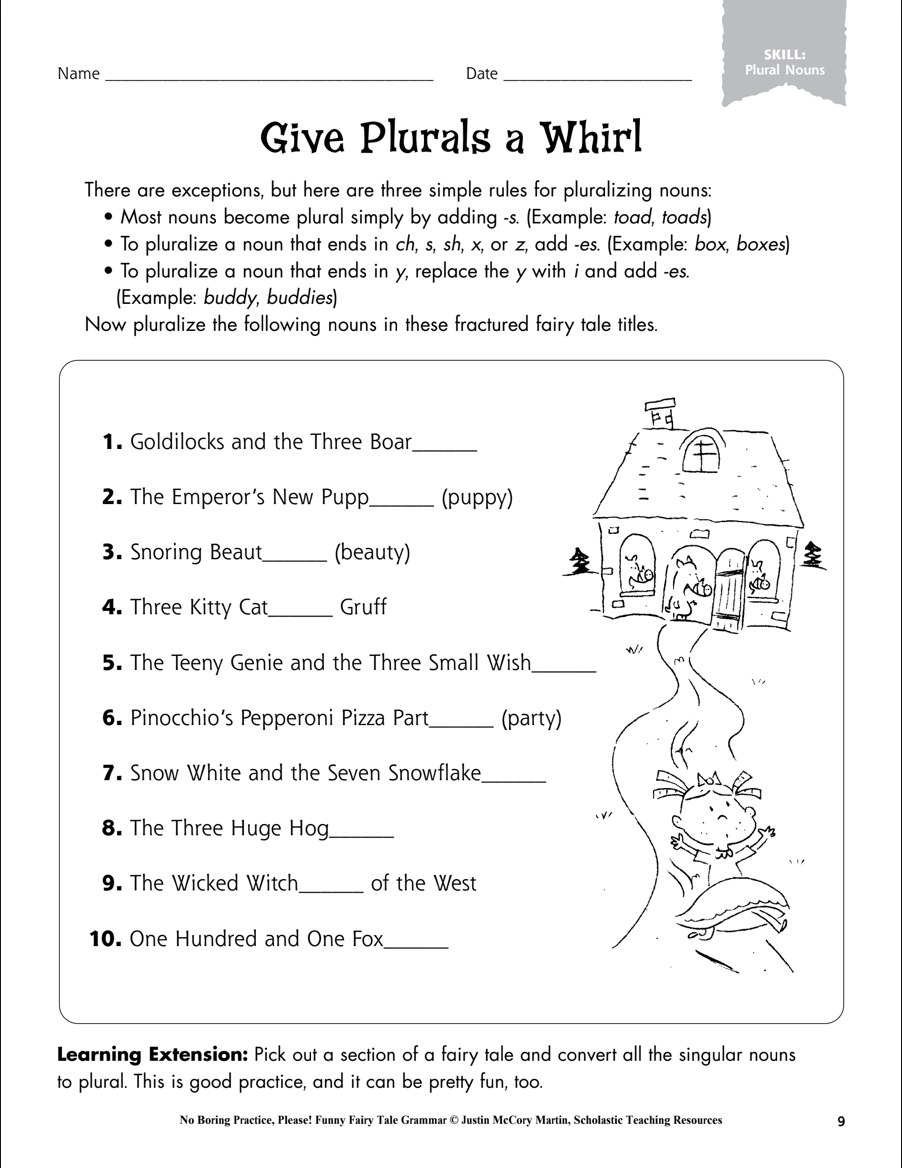
The standout feature of this manual is its Sequential Progression. It understands that grammar is a cumulative skill. By starting with the foundational “Nouns” and “Verbs” (Pages 6-10) before moving into complex structures like “Sentences” and “Quotations” (Pages 38-50), the book ensures that students develop a structural vocabulary before tackling advanced writing challenges.
2. Beyond Theory: Practical Punctuation Mastery
Unlike generic activity books, this guide dedicates significant space to the “road signs” of language. The sections on “Sentence Stoppers,” “Commas,” and “Apostrophes” are brilliant, practical touches. These lessons help eliminate the most common “red flag” errors found in student writing, providing a definitive solution for those who struggle with where to end a thought or how to show possession.
3. Precision Through Homophone Instruction
The inclusion of a dedicated section on “Homophones” (Page 58) is an invaluable pedagogical asset. It recognizes that many spelling and grammar errors in American English stem from words that sound identical but have different meanings. This targeted instruction provides students with the “X-ray vision” needed to choose the right word in the right context, significantly improving the quality of their written output.
4. Data-Driven Accountability and Standards Alignment
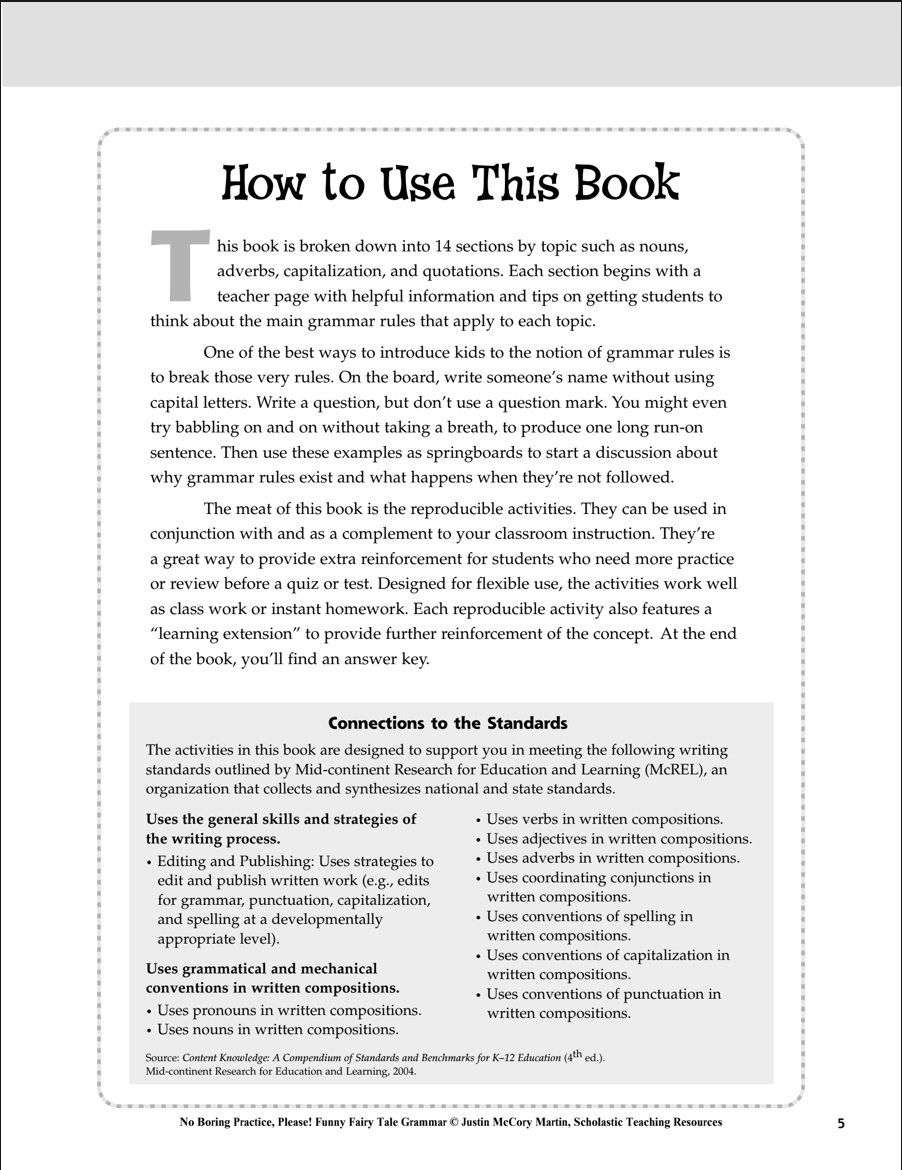
The “Connections to the Standards” and the comprehensive “Answer Key” (Pages 5-61) ensure that learning is measurable and meaningful. It allows educators to track progress with professional-grade scrutiny and ensures that classroom activities are directly contributing to meeting required educational benchmarks.
The Final Verdict: Why You Must Read It
You should implement this book because structure is the foundation of creative freedom. Once a student masters the mechanics of grammar, they are free to express their ideas with absolute clarity. This guide ensures that the journey to mastery is structured, measurable, and highly rewarding.
Final Conclusion: Rigorous, logically organized, and profoundly practical, this is the gold standard for grammar and punctuation instruction. It celebrates the joy of discovery while maintaining a high standard of academic excellence. If you are serious about building a literate, persuasive, and confident student, this book is an indispensable investment.