
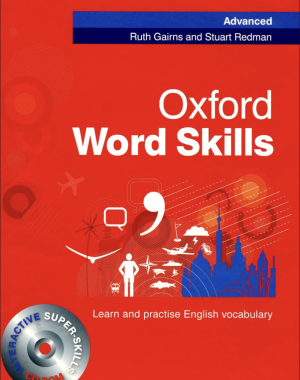

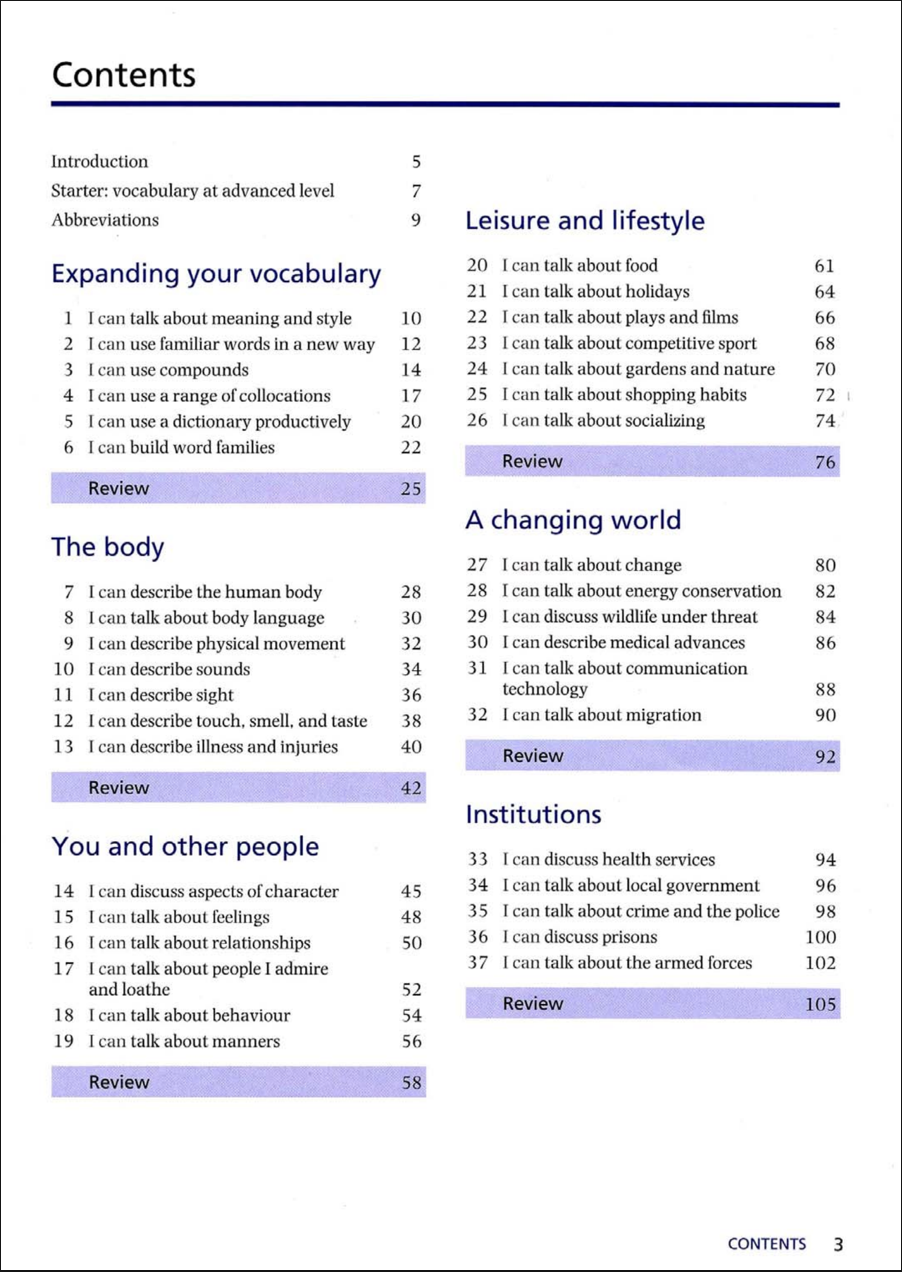
Oxford Word Skills AdvancedRuth Gairns Stuart Redman Introduction ……………………………………………………………………………….. 5 Starter: vocabulary at advanced level ……………………………………………….. 7 Abbreviations ………………………………………………………………………………… 9 Expanding your vocabulary1 I can talk about meaning and style …………………………………………. 10 2 I can use familiar words in a new way ……………………………………….. 12 3 I can use compounds ……………………………………………………………… 14 4 I can use a range of collocations ………………………………………………. 17 5 I can use a dictionary productively …………………………………………… 20 6 I can build word families …………………………………………………………. 22 Review ………………………………………………………………………………………….. 25 The body7 I can describe the human body ……………………………………………….. 28 8 I can talk about body language ………………………………………………… 30 9 I can describe physical movement ……………………………………………… 32 10 I can describe sounds ……………………………………………………………….. 34 11 I can describe sight ………………………………………………………………….. 36 12 I can describe touch, smell, and taste …………………………………………. 38 13 I can describe illness and injuries ……………………………………………….. 40 Review ………………………………………………………………………………………….. 42 You and other people14 I can discuss aspects of character ……………………………………………….. 45 15 I can talk about feelings ……………………………………………………………… 48 16 I can talk about relationships …………………………………………………….. 50 17 I can talk about people I admire and loathe ………………………………….. 52 18 I can talk about behaviour …………………………………………………………. 54 19 I can talk about manners ……………………………………………………………. 56 Review ………………………………………………………………………………………….. 58 Leisure and lifestyle20 I can talk about food …………………………………………………………………. 61 21 I can talk about holidays …………………………………………………………….. 64 22 I can talk about plays and films …………………………………………………… 66 23 I can talk about competitive sport ……………………………………………….. 68 24 I can talk about gardens and nature ……………………………………………. 70 25 I can talk about shopping habits …………………………………………………. 72 26 I can talk about socializing …………………………………………………………. 74 Review ………………………………………………………………………………………….. 76 A changing world27 I can talk about change ………………………………………………………………. 80 28 I can talk about energy conservation …………………………………………… 82 29 I can discuss wildlife under threat ……………………………………………….. 84 30 I can describe medical advances ………………………………………………….. 86 31 I can talk about communication technology …………………………………… 88 32 I can talk about migration …………………………………………………………… 90 Review ………………………………………………………………………………………….. 92 Institutions33 I can discuss health services ………………………………………………………. 94 34 I can talk about local government ……………………………………………….. 96 35 I can talk about crime and the police …………………………………………… 98 36 I can discuss prisons ……………………………………………………………….. 100 37 I can talk about the armed forces ………………………………………………. 102 Review ………………………………………………………………………………………… 105 News and current affairs38 I can understand news headlines ……………………………………………….. 108 39 I can understand news journalism ……………………………………………… 110 40 I can read human interest stories ……………………………………………….. 112 41 I can talk about celebrity …………………………………………………………… 114 42 I can discuss political beliefs ……………………………………………………… 116 43 I can talk about areas of conflict ……………………………………………….. 118 Review ………………………………………………………………………………………… 119 Work and finance44 I can explain job benefits …………………………………………………………. 121 45 I can describe ways of working …………………………………………………. 122 46 I can talk about the business world ……………………………………………. 124 47 I can talk about money markets …………………………………………………. 126 48 I can talk about personal finance ……………………………………………….. 128 49 I can discuss time management …………………………………………………. 130 50 I can discuss workplace disputes ……………………………………………….. 132 51 I can talk about office problems …………………………………………………. 134 Review ………………………………………………………………………………………… 135 Concepts52 I can describe cause and effect …………………………………………………. 138 53 I can talk about truth and lies ……………………………………………………. 140 54 I can discuss problems and solutions …………………………………………. 142 55 I can describe old and new ……………………………………………………….. 144 56 I can talk about success and failure …………………………………………… 146 57 I can describe the past, present, and future …………………………………. 148 Review ………………………………………………………………………………………… 150 Spoken English58 I can use everyday language …………………………………………………….. 152 59 I can use idioms and set phrases (1) ………………………………………….. 154 60 I can use idioms and set phrases (2) ………………………………………….. 156 61 I can use set phrases with two key words …………………………………… 158 62 I can use similes ……………………………………………………………………… 159 63 I can use a range of phrasal verbs …………………………………………….. 160 64 I can use discourse markers ……………………………………………………… 162 65 I can use vague language …………………………………………………………. 164 66 I can use sayings and proverbs …………………………………………………. 165 Review ………………………………………………………………………………………… 168 Written English67 I can write a formal letter …………………………………………………………. 172 68 I can use formal link words ………………………………………………………. 175 69 I can use academic English ………………………………………………………. 176 70 I can talk about literature …………………………………………………………. 178 71 I can use scientific English ……………………………………………………….. 180 72 I can use technical English ……………………………………………………….. 182 73 I can use abbreviations …………………………………………………………….. 184 Review ………………………………………………………………………………………… 187 Aspects of language74 I can use prefixes ……………………………………………………………………. 190 75 I can use suffixes ……………………………………………………………………. 192 76 I can use words with prepositions ……………………………………………… 194 77 I can use prepositional phrases …………………………………………………. 196 78 I can use a range of adjectives …………………………………………………. 198 79 I can use different types of adverb …………………………………………….. 200 80 I can use euphemisms ……………………………………………………………… 203 Review ………………………………………………………………………………………… 204 AppendicesVocabulary building ……………………………………………………………………. 207 Answer key ………………………………………………………………………………… 209 Answer key to review units ……………………………………………………………. 227 List of spotlight boxes ………………………………………………………………….. 235 Word list / Index ………………………………………………………………………….. 236 |
Achieving Linguistic Mastery: A Review of the Ultimate Advanced Vocabulary Guide
Introduction: Bridging the Final Gap to Native-Level Authority
Reaching an advanced level of English is a major milestone, but moving from “fluent” to “masterful” requires a specialized toolkit. Most textbooks plateau at B2, leaving learners without the nuances needed for academic excellence or high-level professional life.
This book is a rigorous and thematic roadmap designed specifically to help C1 and C2 learners achieve that final, critical leap. It doesn’t just teach “more words”; it teaches the sophisticated architecture of the English language.
What Kind of Book Is This?
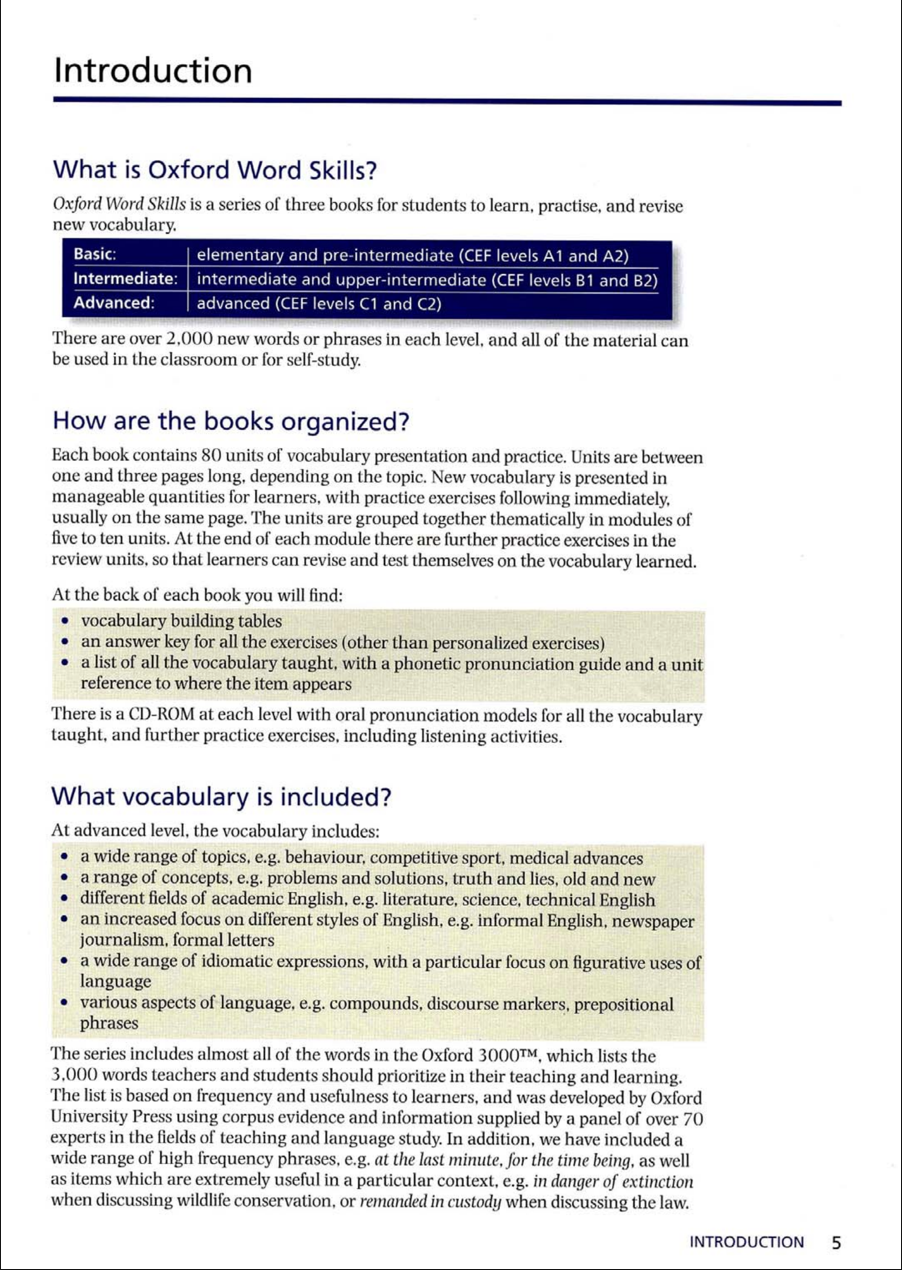
This is a High-Intensity Advanced Vocabulary Reference and Practice Manual. It is part of the world-renowned Oxford Word Skillsseries, meticulously engineered for elite learners. Structured into 80 specialized units, it follows a revolutionary “I Can” pedagogical framework.
Instead of passive lists, each unit represents a concrete communicative outcome—from “understanding news headlines” to “using euphemisms.” It serves as an all-in-one guide for those who need to master the subtle differences in style, register, and context.
Who Is the Ideal Reader?
- Elite ESL/EFL Learners (C1-C2): Those who have mastered the basics and want to polish their English to a professional or near-native standard.
- Academic and Professional Candidates: Individuals preparing for the IELTS (8.0+), TOEFL, or Cambridge C2 Proficiency where lexical precision is paramount.
- International Executives: Business leaders who need to handle “workplace disputes,” “money markets,” and “formal correspondence” with total authority.
- Scholars and Scientists: Anyone needing a specialized grasp of “academic,” “scientific,” and “technical” English.
Detailed Editorial Review: Why This Book is a Game-Changer
1. Mastering “Expanding Your Vocabulary” Strategies
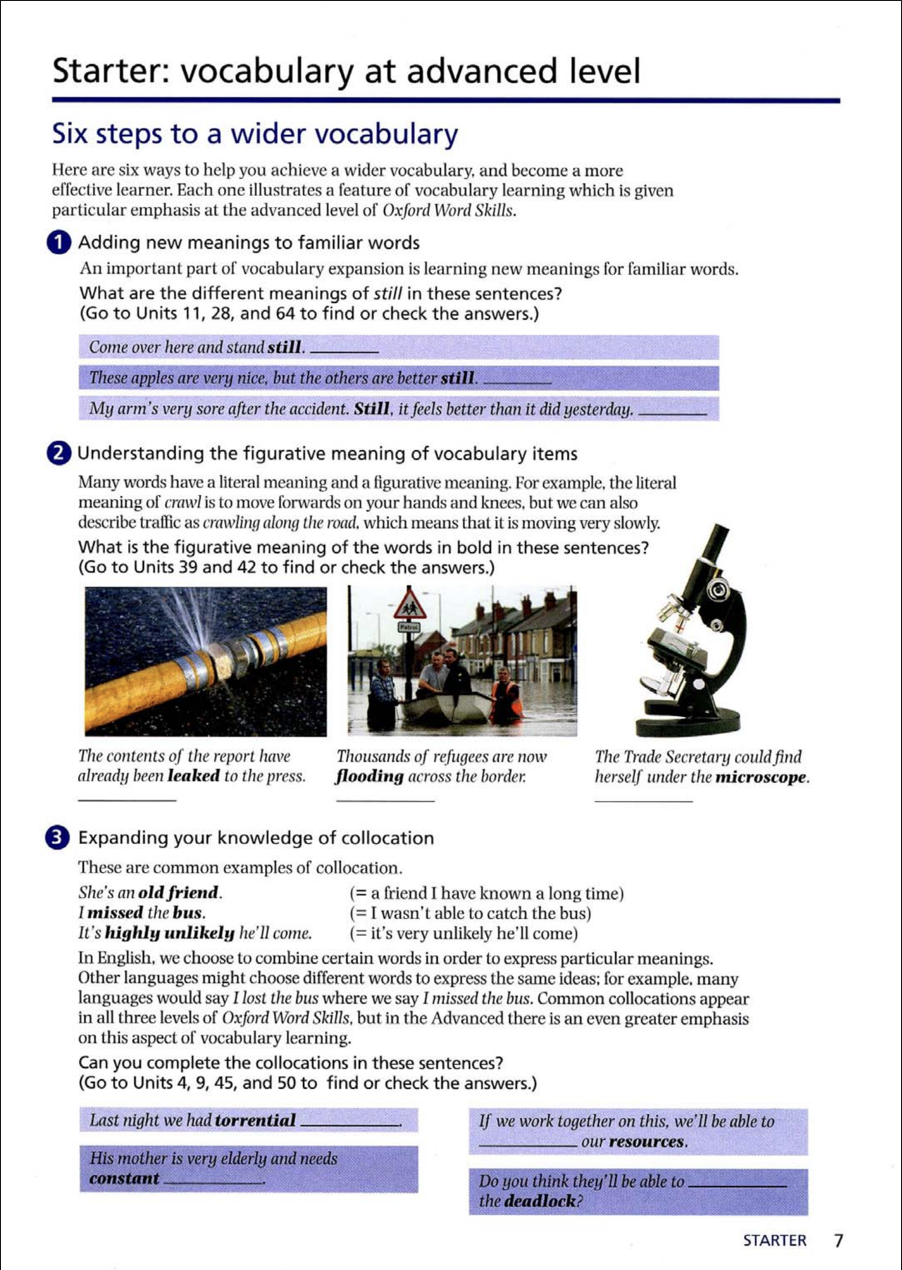
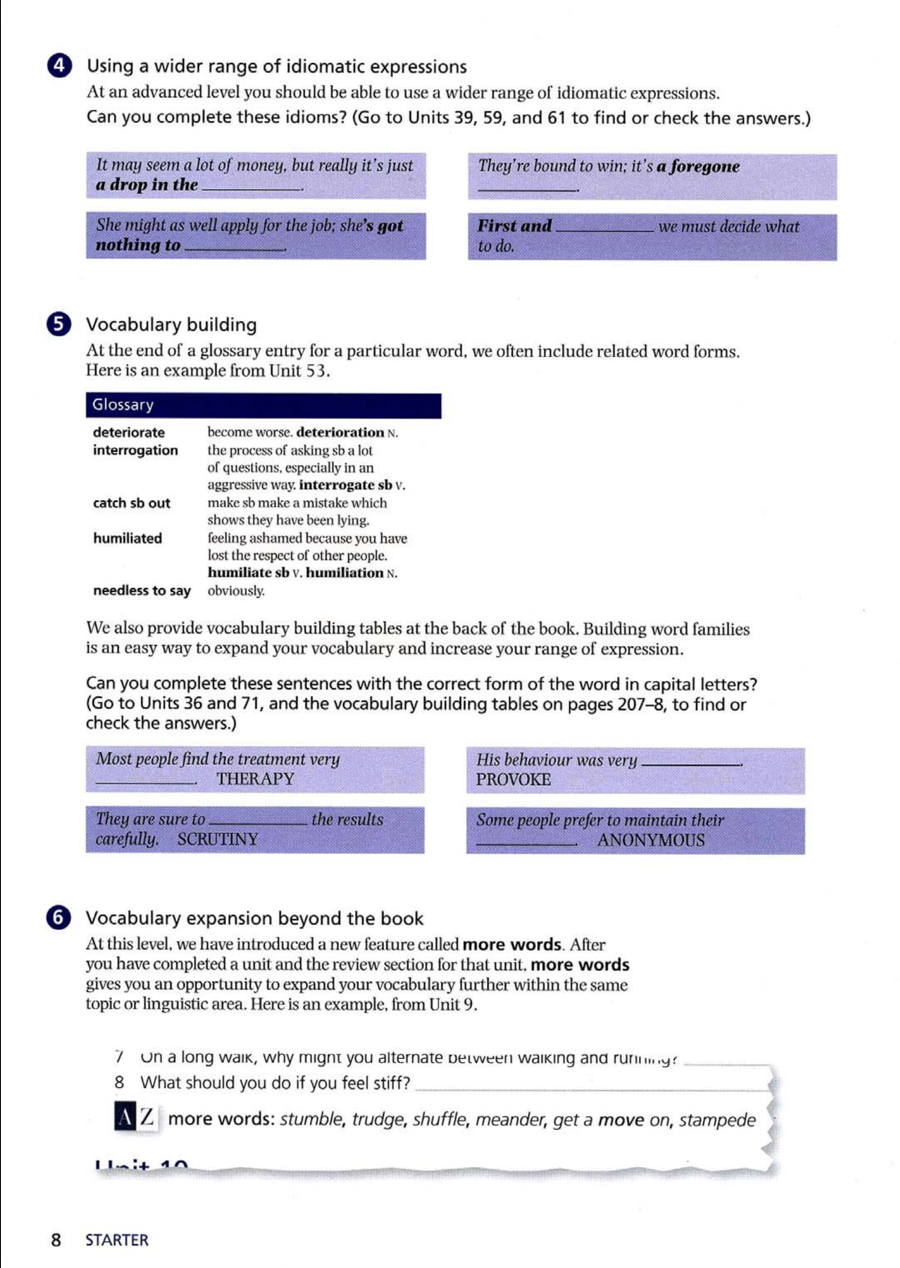
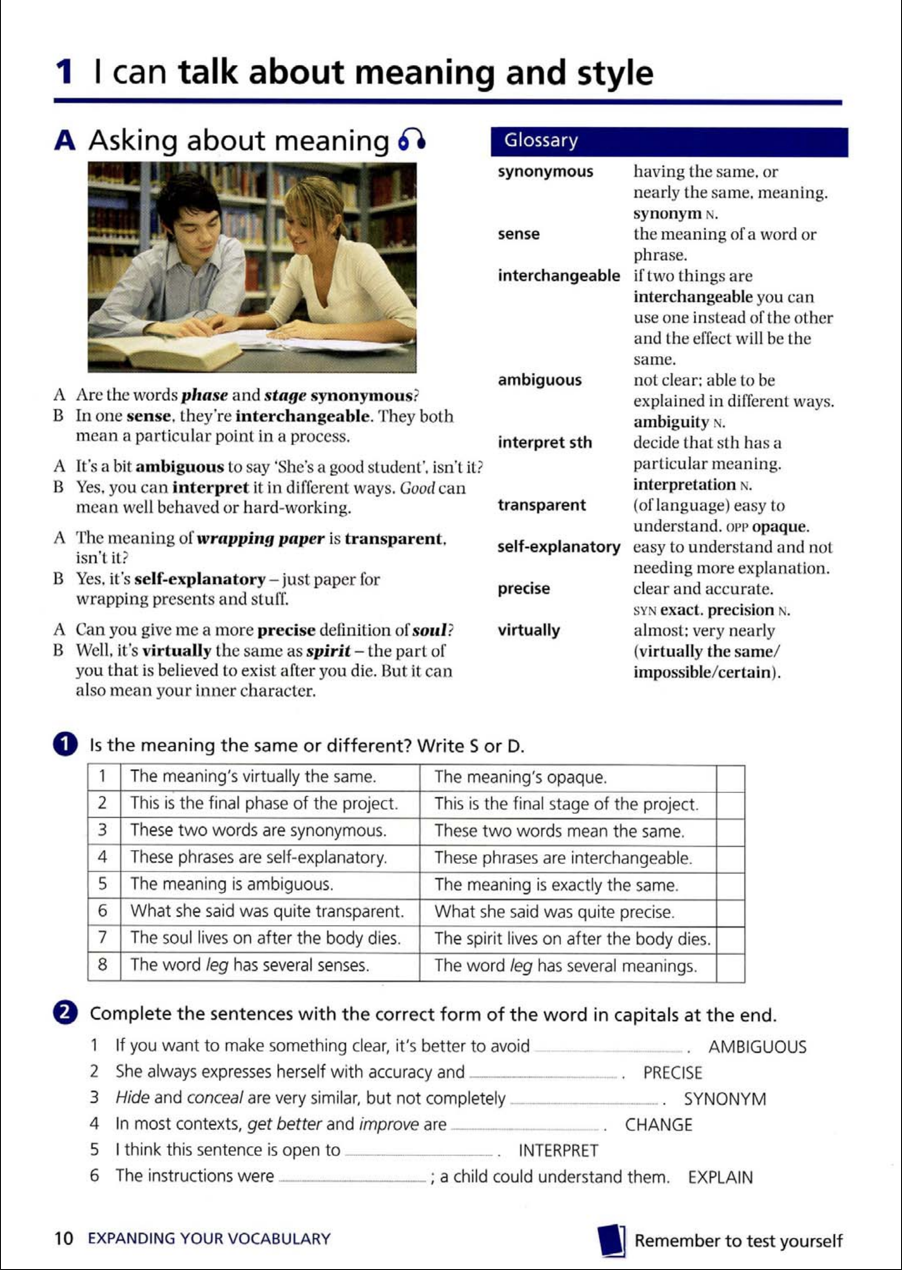
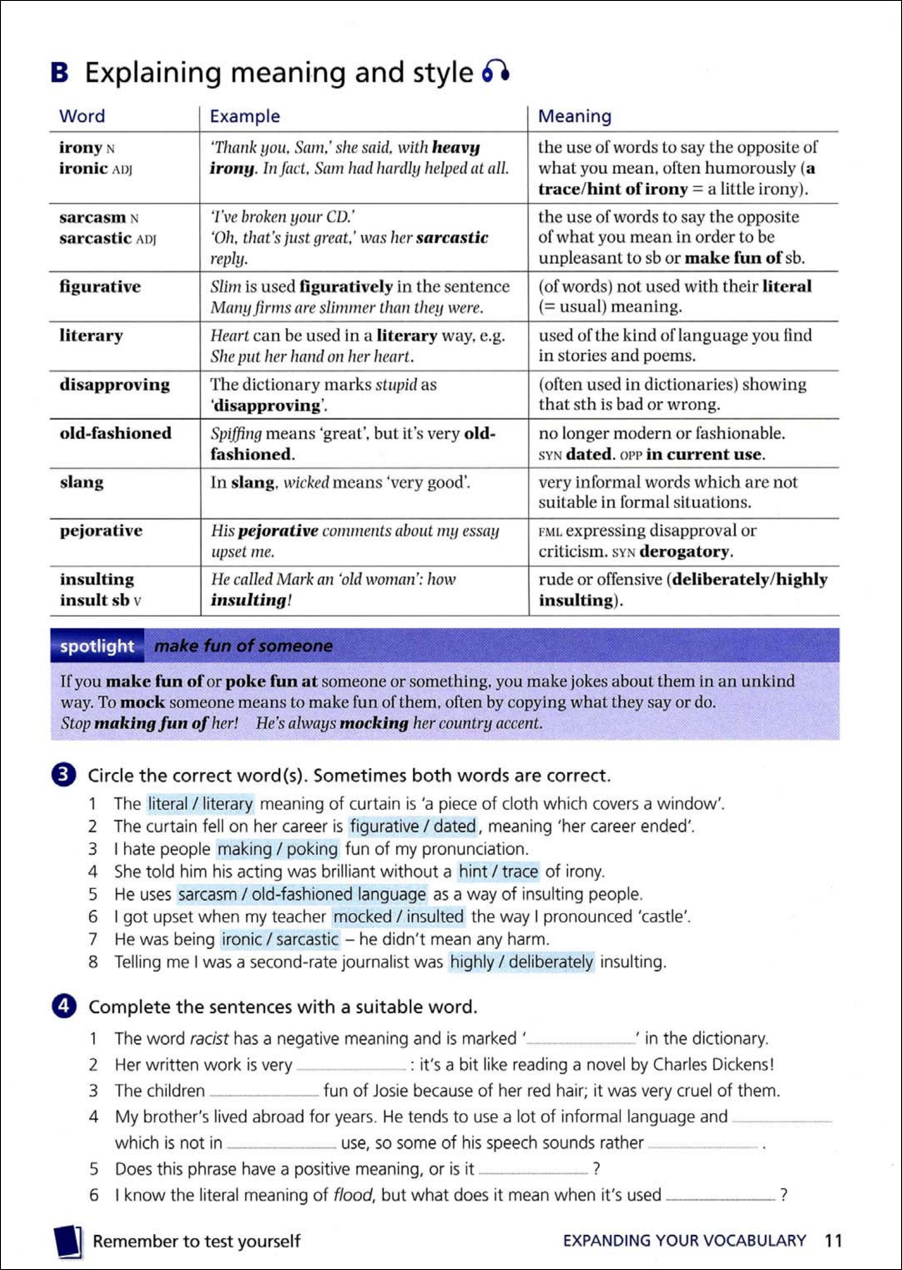
The book begins with a brilliant “Starter” unit that teaches learners how to learn at an advanced level. It moves quickly into the mechanics of collocations, compounds, and word families. This focus on “word-building” empowers students to decode complex texts and produce sophisticated prose effortlessly.
2. Tactical Nuance: Spoken vs. Written Mastery
One of the most valuable features is the clear distinction between Spoken English (Units 58-66) and Written English (Units 67-73). You will learn the art of “vague language” and “discourse markers” for natural conversation, alongside the rigorous requirements for “formal link words” and “academic register.” This “social and stylistic intelligence” is what truly separates an advanced student from a master.
3. Real-World Global Consciousness
The subject matter is incredibly modern and relevant. Dedicated units on “A changing world” (energy conservation, migration) and “Institutions” (local government, health services) ensure that your vocabulary is calibrated for high-level dinner conversations and professional debate. It moves the classroom into the real world.
4. The Science of Spaced Repetition
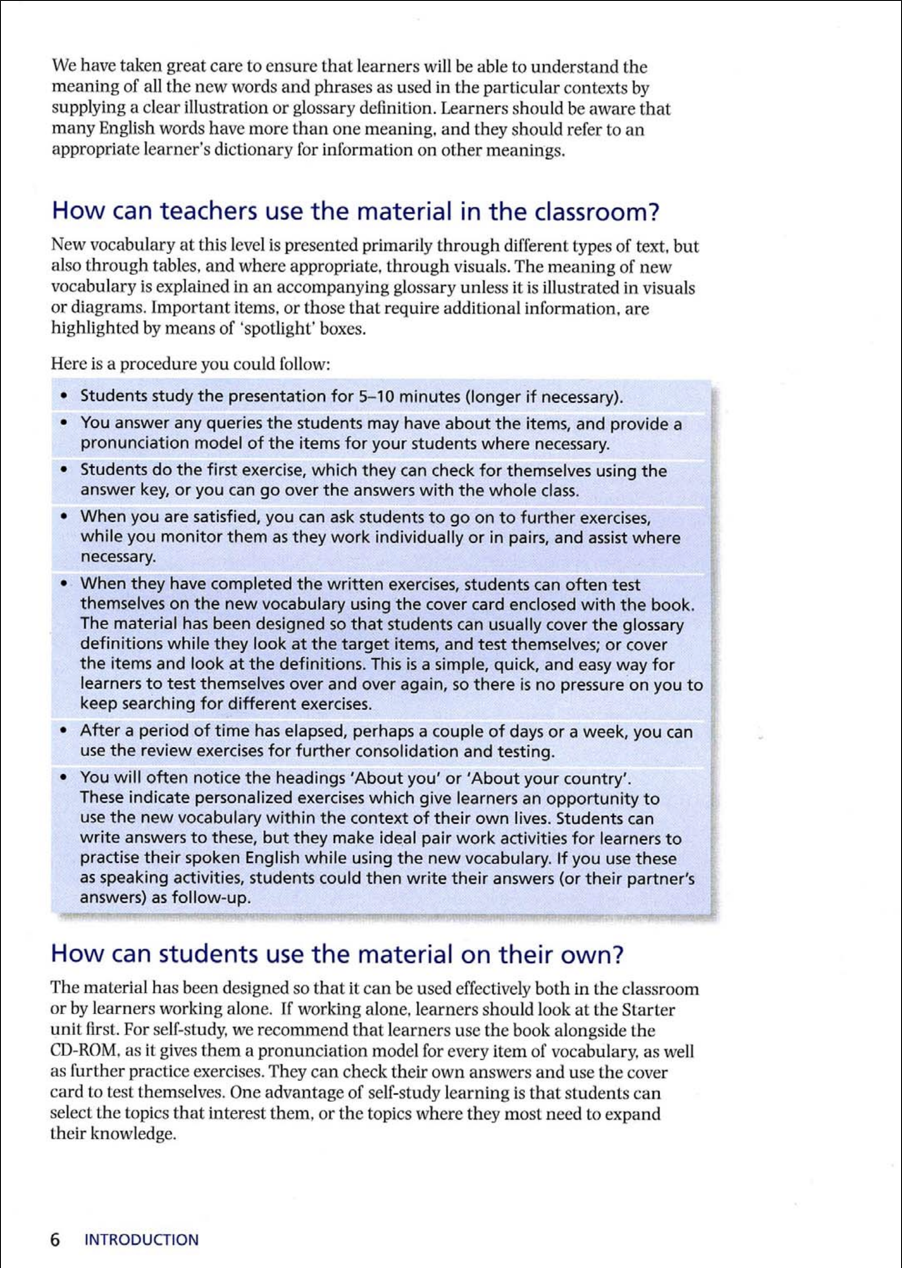
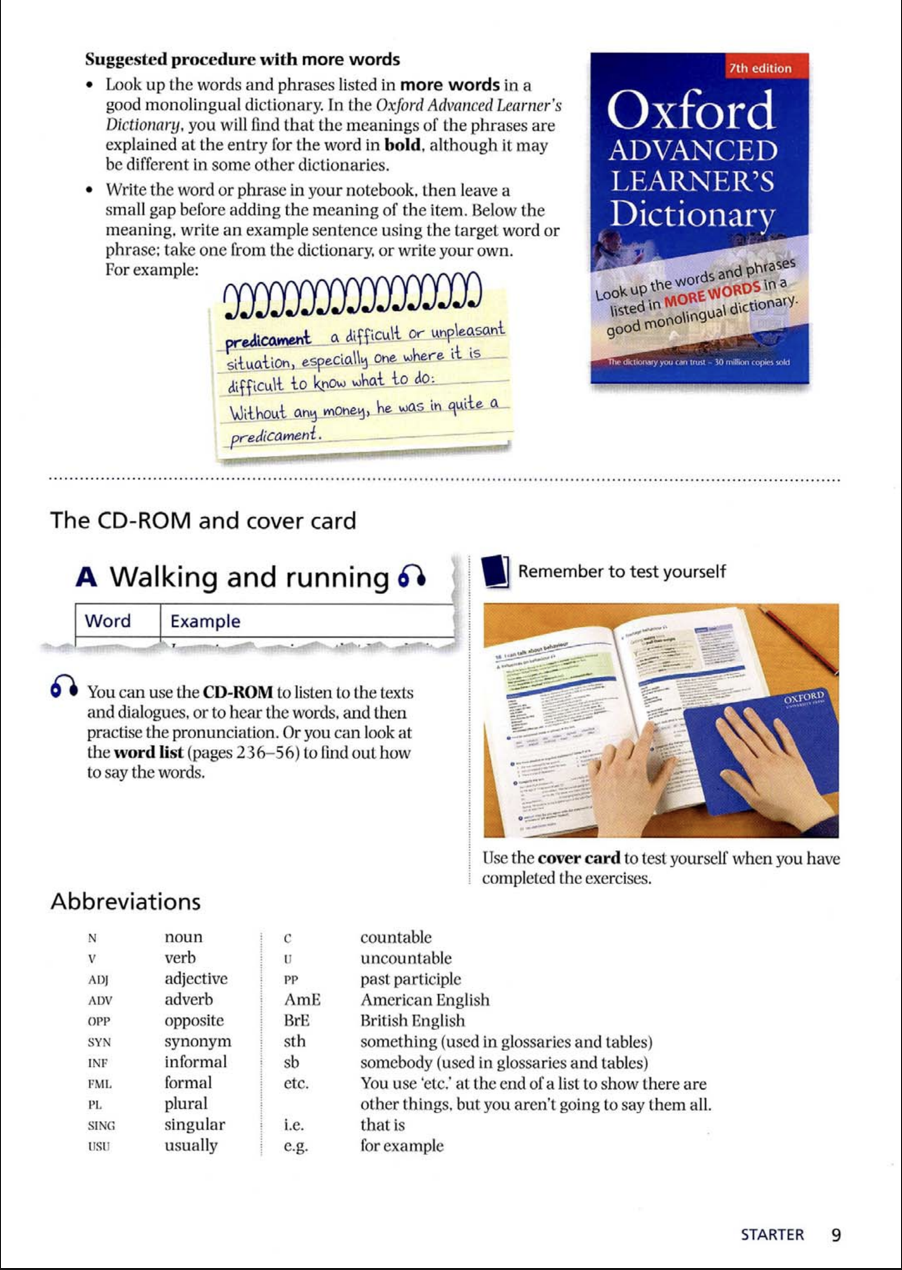
Advanced vocabulary is easily forgotten if not used. This manual includes a comprehensive Review Unit after every thematic section, along with dedicated Vocabulary Building Tables. This systematic reinforcement ensures that “ADMIRABLE” and “LOATHE” (Unit 17) move from short-term memory into your permanent professional toolkit.
The Final Verdict: Why You Must Read It
You should read this book because lexical range is the hallmark of intelligence. In the professional and academic world, the person with the most precise words is the person who commands the room. This guide provides the “X-ray vision” to decode complex literature and the tools to speak with unshakeable confidence.
Final Conclusion: Rigorous, logically organized, and profoundly practical, this is the gold standard for advanced vocabulary development. It transforms the overwhelming complexity of English into 80 masterable, empowering steps. If you are serious about your future in an English-speaking environment, this is an indispensable investment.